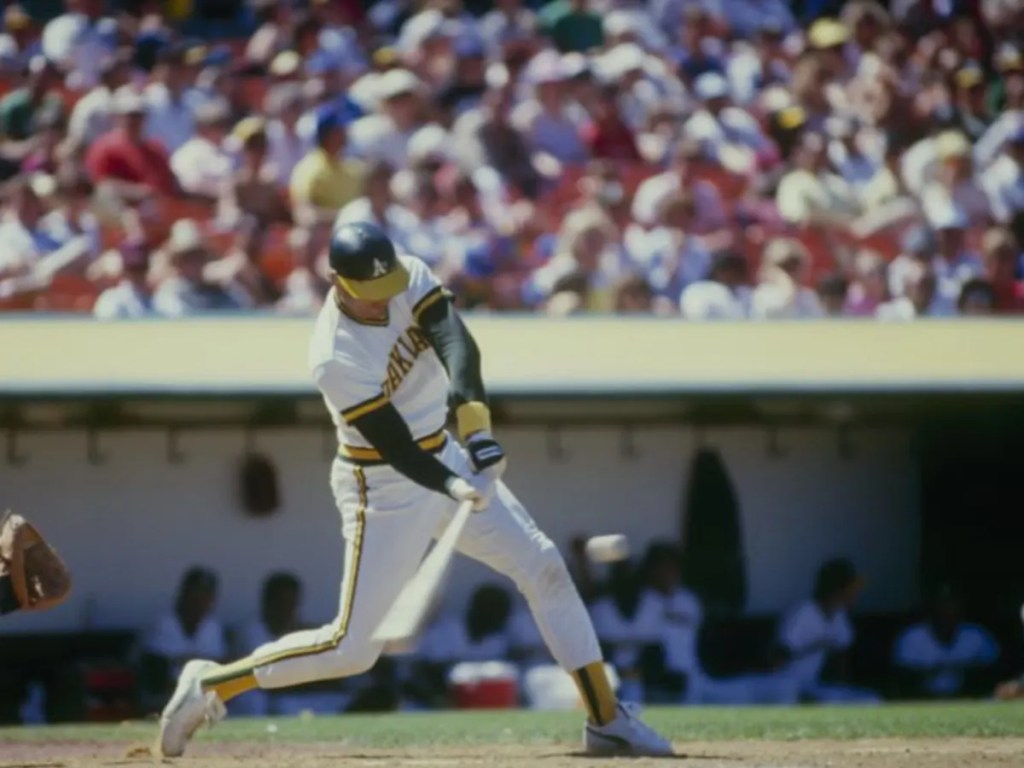
Dave Kingman, the towering slugger known as “Kong” for his prodigious power, carved out a 16-year Major League Baseball career from 1971 to 1986 that was defined by moonshot home runs and sky-high strikeouts. Standing at 6’6″ and built like a linebacker, Kingman smashed 442 home runs while playing for seven teams, including memorable stints with the San Francisco Giants, New York Mets, and Chicago Cubs. His raw power made him a fan favorite and a pitcher’s nightmare, but behind every epic homer was his trusted tool: the baseball bat. While Kingman wasn’t picky about brands, his preferences leaned toward heavy, long bats that maximized his leverage and turned fastballs into souvenirs. Let’s dive into the models he favored, drawing from historical records and auctioned memorabilia, and analyze how they fueled his legendary swings.
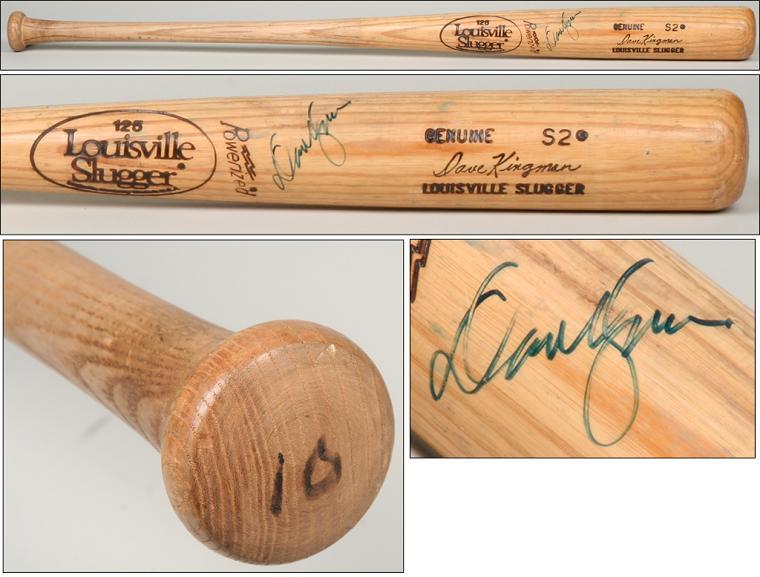
Throughout most of his career, Kingman relied on Hillerich & Bradsby (H&B) bats, better known under the Louisville Slugger brand. His go-to model was the S2, a robust ash wood bat favored by power hitters of the era for its balanced feel and large barrel. Factory records and game-used examples show Kingman ordering S2 variants like the 125 S2, often in natural finish without heavy pine tar—unlike sticky-handed contemporaries like George Brett. For instance, a 1977 Louisville Slugger S2 from his Mets/Padres days measured 35.5 inches long (though wear shortened some to 34.5 inches) with a cupped end and round barrel for reduced weight without sacrificing durability. Another from the early 1980s, during his Cubs tenure, stretched to 36 inches and weighed a hefty 34.6 ounces, marked with his uniform number “10” on the knob for quick identification. This length was ideal for Kingman’s long arms, allowing him to generate tremendous bat speed and torque, much like a golfer with an oversized driver.
Kingman wasn’t exclusive to Louisville Slugger, though. He occasionally swung Adirondack bats, particularly the Rawlings-adopted Model 113X around 1979-80. This 36-inch, 33.2-ounce ash beast, also knob-marked with “10,” offered a slightly slimmer profile for better whip through the zone. Why the switch? Assumptions point to experimentation during slumps or team sponsorships—Adirondack was gaining popularity for its dense wood grains that resisted cracking under Kingman’s ferocious hacks. In an era before maple bats dominated, ash provided the flexibility he needed to handle inside pitches without shattering, though evidence from game-used bats shows frequent cleat marks, ball scuffs, and even repaired handle cracks from his aggressive style.
Analyzing Kingman’s bat choices reveals a player optimized for power over contact. The heavy weights (33-35 ounces) amplified his exit velocities, contributing to tape-measure blasts like his 1979 Wrigley Field homer that reportedly traveled 550 feet. But this came at a cost: his career .236 batting average and 1,816 strikeouts suggest the long, hefty lumber made it harder to adjust to breaking balls. Compared to finesse hitters like Tony Gwynn, who used lighter 32-ounce models, Kingman’s setup was all-or-nothing—perfect for the home run derby mindset that foreshadowed today’s launch-angle era. Hypothetically, if modern analytics had been around, scouts might have lightened his bat to cut whiffs, but that would dilute the Kong essence.
In memorabilia circles, Kingman’s bats fetch premium prices, with autographed S2 models selling for thousands due to their rarity and storytelling scars. They embody 1970s-80s baseball: raw, unpolished power in a wood era before composites. Kingman’s lumber wasn’t just equipment; it was an extension of his intimidating persona, turning at-bats into spectacles.
 Baseball Bat Insider
Leave a comment